

Ph. Cathal Mac an Bheatha
Aviation technologies have come a long way in enhancing safety, but they also pose risks that need to be addressed. For instance, autonomous aircraft developmentintroduces safety concerns, particularly in the event of system failures or malfunctions. Furthermore, the introduction ofcutting-edge materials and designsaimed at improving fuel efficiency and reducing environmental impact could bring unforeseen safety issues.Electric and hybrid-electric aircraftalso present unique safety challenges such as therisk of fires or other electrical system failures.
To manage these potential safety risks, the aviation industry must continue to prioritize safety in all aspects of flight,from design to maintenance.This calls for the development ofsafety standardsand protocols that keep pace with technological advancements. In addition, it calls fortraining and educationto equip pilots and other personnel with the necessary skills to tackle emerging safety risks.
Ultimately,the aviation industry must ensure that these technologies are developed and implemented in a safe and responsible manner.This is done by proactively addressing potential safety risks associated with aviation innovations.
Enhancing Resilience to Emerging Hazards
The ALBATROS research project aims to improve aviation safety by developingenhanced risk models and tools.This project will utilize innovative approaches, such asscenario-based and enriched safety assessment methodologies, to identify and assess new risks arising from emerging technologies and climate change. This includesweather hazards, hazards associated withnew fuels and energy systemsin aviation, and hazards linked tonew aircraft entrantssuch as UAM vehicles, drone fleets, personal vehicles, sky taxis, solar planes, and hypersonic aircraft.
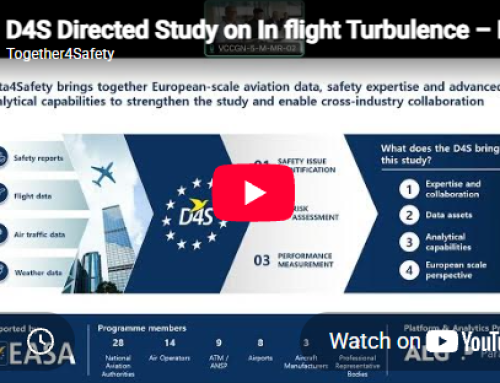
To achieve its goals,the ALBATROS project will use the Data4Safety (D4S) platform, which was created to collect and analyse aviation safety data. The platform partnership comprises several organizations, including EASA, EasyJet, British Airways, Iberia, Lufthansa, Ryanair, Airbus, Boeing, ECA, AESA, DSAC, IAA, and the UK CAA.The D4S platformwill offerdatasets tailored to safety studies,prioritized based on safety needs. It will allow for the analysis of the correlation between weather data, flight data, reports on weather-related safety events, and traffic data. This will significantlyenhance the assessment of weather hazard risks in aviationand demonstrate the utility of data-driven safety analytics in aviation.
The ALBATROS project will also focus onresilience to hard- and software failures, including predicting the safety impact of security incidents and countermeasures. The project willcover both systems and software perspectives. It will concentrate on safety and security enhancements during the development process. It will also detect abnormalities during operation to bring the aircraft back to safety. These activities will result inan aircraft resilience planthat includes all relevant resilience aspects. By utilizing innovative approaches and cutting-edge technology, the ALBATROS project aimsto enhance aviation safetysignificantly andreduce risks associated with emerging hazards.
Follow us onLinkedIn,Twitter, or subscribe toour newsletterto stay up to date with ALBATROS news!